
Duty Patriotism and Service
Young Captain Jack · The Son of a SoldierThis flow traces how the novel distinguishes genuine duty from empty patriotic language.
increasing Bearing strength in each event
 decreasing
Bearing strength in each eventdecreasingJack’s Military Dream
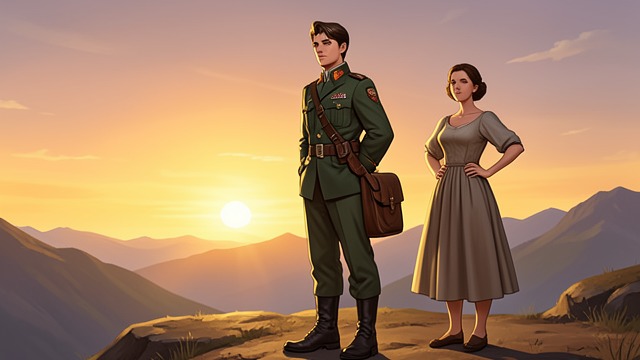
Romantic Patriotism
Desire for the Front
Jack imagines the Confederate States Army as a place of honor and adventure. His wish is sincere but initially shaped by youthful fantasy.
A Guardian’s Restraint
Alice Ruthven refuses to let him enlist because she has already lost Colonel Martin Ruthven. Her resistance forces Jack to consider responsibility at home.
Home Guard Service
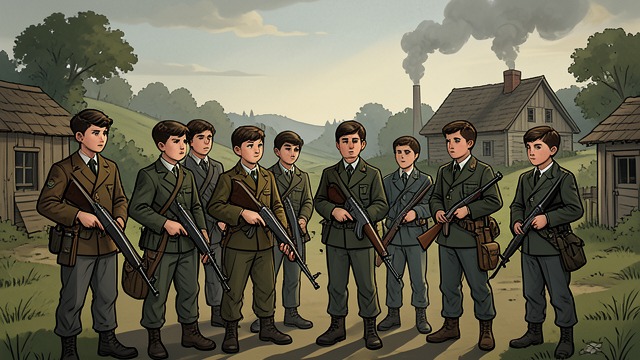
Duty Reimagined
Local Responsibility
Jack channels his desire to serve into the Home Guard. He protects nearby families instead of pursuing distant glory.
Discipline Over Display
The boys learn that military identity is valuable only when it serves civilians. Patriotism becomes practical stewardship.
St. John’s Empty Patriotism
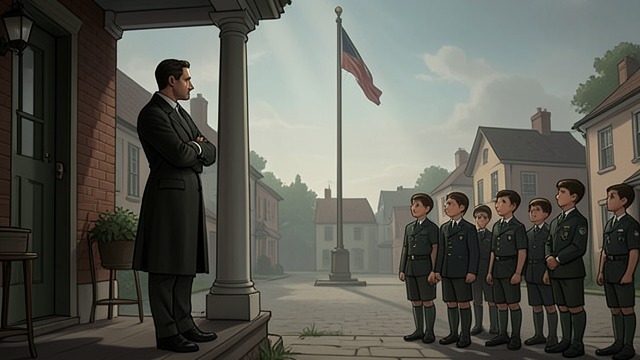
Words Without Action
Public Claims
St. John speaks proudly of the Southern cause but avoids military service through excuses and feigned illness. His patriotism remains verbal.
Ethical Exposure
The contrast with Jack and Harry Powell makes clear that conviction is measured by sacrifice. St. John wants the honor of service without its danger.
Harry’s Conscientious Service
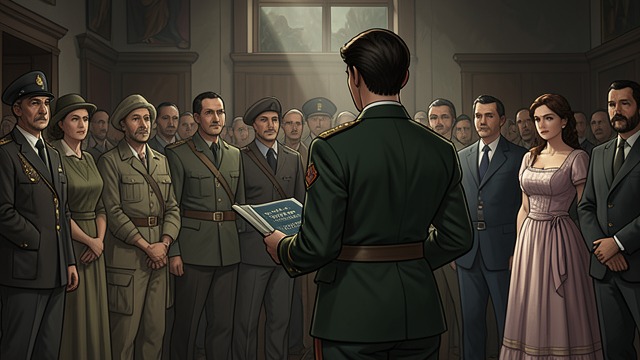
Principle in Uniform
Choosing a Side
Harry Powell joins the Union Army because he opposes slavery, despite his family’s disapproval. His service is framed as conscience rather than opportunism.
Respect Across Conflict
Marion and Alice gradually honor his decision even while disagreeing politically. The novel allows patriotism to exist on both sides when linked to principle.
Jack’s Mature Service
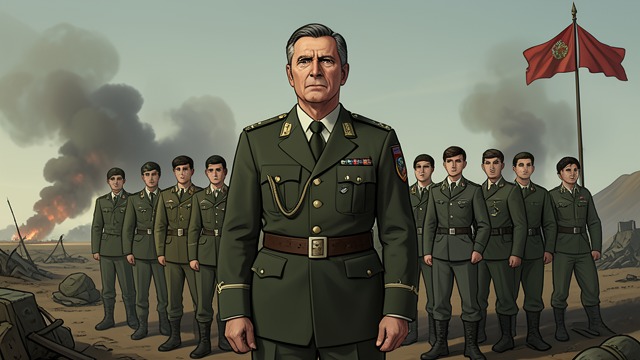
Duty Fulfilled
Professional Soldiering
Jack’s later West Point education and military career transform his boyhood enthusiasm into trained service. He becomes an officer responsible for others.
Honor Beyond Section
His career is no longer about defeating a local enemy. It represents disciplined national service after the war has ended.
early in the story
before the first battle
when neighbors demand enlistment
during the Federal occupation
years after the war
